The Ultimate Guide to Cooking Perfect Steaks at Home
- Dave Walker

- Dec 7, 2025
- 4 min read
Cooking a steak at home that rivals your favorite steakhouse can seem challenging. Many people struggle with getting the right texture, flavor, and doneness. This guide will walk you through everything you need to know to cook steaks that are juicy, tender, and full of flavor. Whether you prefer rare or well-done, this post will help you master the art of steak cooking with practical tips and clear steps.

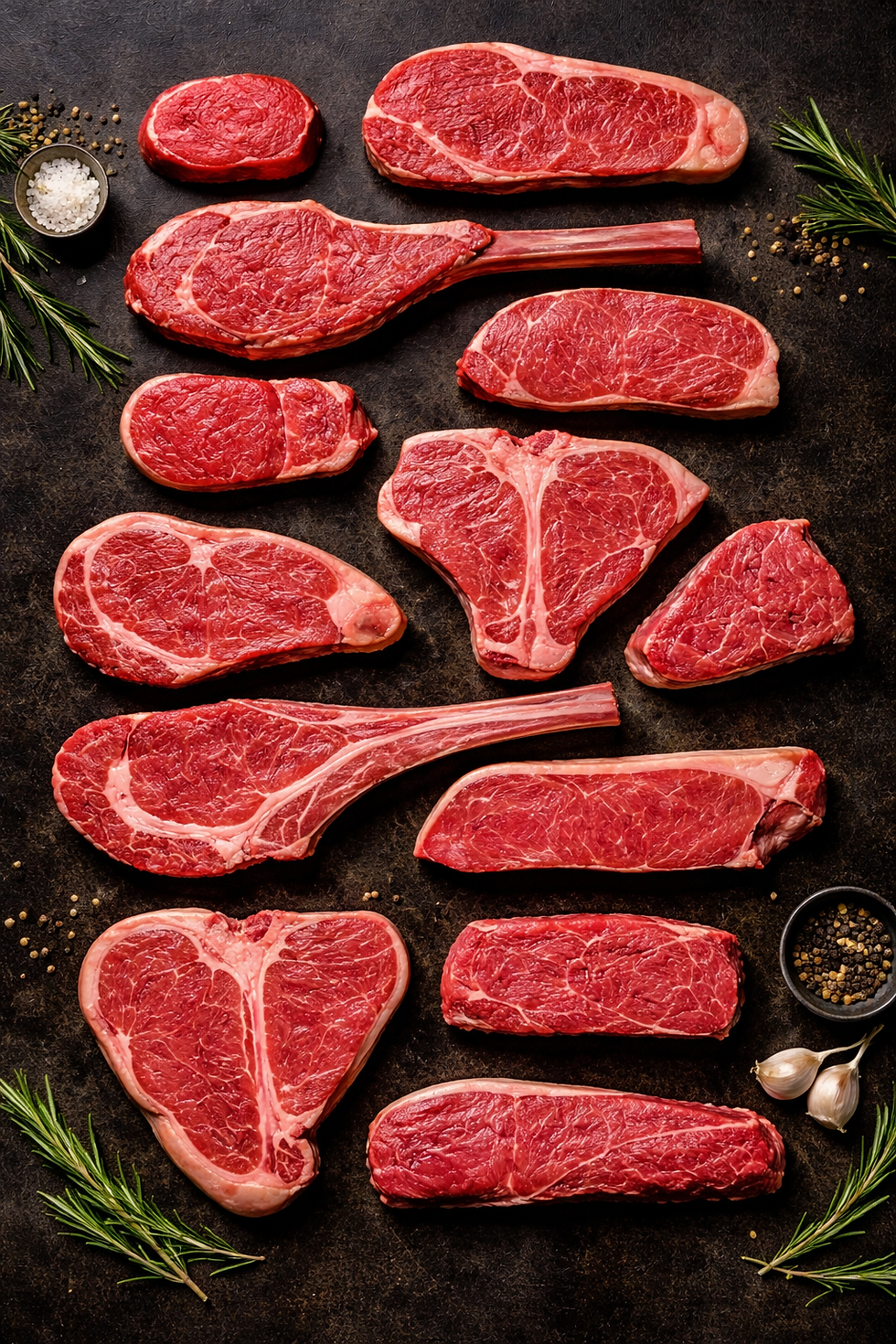
Choosing the Right Cut of Steak
The first step to a great steak is selecting the right cut. Different cuts vary in tenderness, flavor, and fat content. Here are some popular options:
Ribeye: Known for its marbling and rich flavor. It’s tender and juicy, making it ideal for pan-searing or grilling.
Filet Mignon: The most tender cut, with a mild flavor. It’s leaner than ribeye but soft and buttery.
New York Strip: Has a good balance of tenderness and flavor with moderate marbling.
T-Bone and Porterhouse: These cuts combine the strip and tenderloin, offering two textures in one steak.
Sirloin: Leaner and less tender but still flavorful, often more affordable.
Look for steaks with a bright red color and marbling (thin streaks of fat) throughout. Marbling melts during cooking and adds flavor and juiciness.
Preparing Your Steak for Cooking
Before cooking, preparation is key to enhancing flavor and texture.
Bring to Room Temperature: Take the steak out of the fridge about 30 minutes before cooking. This helps it cook evenly.
Season Generously: Use coarse salt and freshly ground black pepper. Salt draws out moisture and then reabsorbs it, seasoning the meat deeply.
Optional Marinades: For tougher cuts like sirloin, a marinade with acid (like lemon juice or vinegar) can help tenderize. For premium cuts, simple seasoning is best to let the natural flavor shine.
Pat the steak dry with paper towels before seasoning to get a better sear.
Cooking Methods for Perfect Steaks
There are several ways to cook steak at home. The best method depends on your equipment and preference.
Pan-Searing
Pan-searing is a popular method that creates a flavorful crust.
Use a heavy skillet, preferably cast iron.
Heat the pan over medium-high heat until very hot.
Add a small amount of oil with a high smoke point (like canola or grapeseed oil).
Place the steak in the pan without moving it for 3-5 minutes, depending on thickness.
Flip and cook the other side.
Add butter, garlic, and herbs (like thyme or rosemary) in the last minute and spoon the melted butter over the steak for extra flavor.
Grilling
Grilling adds a smoky flavor and is great for thicker cuts.
Preheat the grill to high heat.
Oil the grill grates to prevent sticking.
Place the steak on the grill and cook for 4-6 minutes per side, adjusting for thickness and desired doneness.
Let the steak rest after grilling to allow juices to redistribute.
Oven Finishing
For thick steaks, a combination of pan-searing and oven finishing works well.
Sear the steak in a hot pan for 2-3 minutes per side.
Transfer the pan to a preheated oven at 400°F (200°C).
Cook for 5-10 minutes depending on thickness and preferred doneness.
Use a meat thermometer to check internal temperature.
Understanding Steak Doneness
Knowing when your steak is cooked to your liking is crucial. Use a meat thermometer or the finger test for accuracy.
Rare: 120-125°F (49-52°C) – cool red center
Medium Rare: 130-135°F (54-57°C) – warm red center
Medium: 140-145°F (60-63°C) – pink center
Medium Well: 150-155°F (65-68°C) – slightly pink center
Well Done: 160°F+ (71°C+) – no pink, fully cooked
Insert the thermometer into the thickest part of the steak for the best reading.
Resting Your Steak
Resting is often overlooked but essential. After cooking, let your steak rest for 5-10 minutes. This allows the juices to redistribute throughout the meat, making it juicier and more flavorful. Cover loosely with foil to keep warm.
Tips for Enhancing Flavor
Butter Basting: Adding butter and herbs while cooking adds richness.
Dry Aging at Home: If you have time and space, dry aging enhances flavor and tenderness by letting the meat rest in a controlled environment.
Using a Meat Thermometer: Avoid guessing doneness. A thermometer ensures perfect results every time.
Slicing Against the Grain: When serving, slice perpendicular to the muscle fibers for a more tender bite.
Common Mistakes to Avoid
Cooking Straight from the Fridge: Cold meat cooks unevenly.
Overcrowding the Pan: This lowers the temperature and prevents a good sear.
Skipping Resting: Cutting too soon causes juices to run out.
Using Low Heat: High heat is necessary for a crust.
Not Seasoning Enough: Salt is key to flavor.
Serving Suggestions
Steak pairs well with a variety of sides:
Roasted vegetables like asparagus or Brussels sprouts
Creamy mashed potatoes or garlic butter potatoes
Fresh salads with vinaigrette
Classic sauces such as chimichurri, peppercorn, or béarnaise
Final Thoughts on Cooking Steaks at Home
Mastering steak cooking takes practice but following these steps will bring you close to steakhouse quality. Choose the right cut, season well, use proper cooking techniques, and rest your steak. With patience and attention, you can enjoy perfectly cooked steaks anytime at home.
Try experimenting with different cuts and cooking methods to find your favorite. Invite friends or family over and impress them with your steak skills. Cooking steak is not just about food; it’s about creating a memorable experience around the table.


Comments